
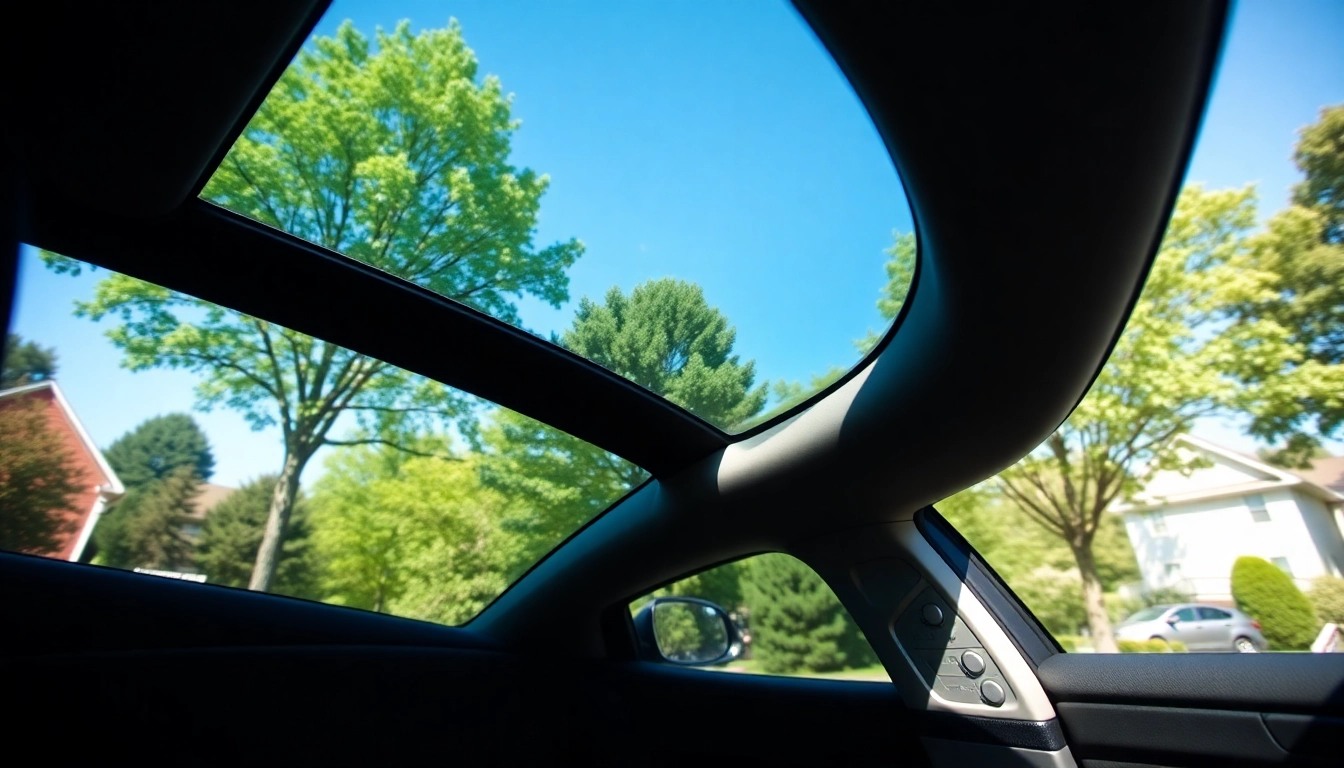
Understanding Window Tinting Basics
What is Window Tinting?
Window tinting refers to the application of a thin film over the windows of a vehicle, home, or office. This film serves multiple functions, from enhancing privacy to reducing glare, and is primarily made from polyester or plastic materials, coated with a layer of dye, metal, or ceramic to provide varying levels of protection and visibility. Whether for aesthetic enhancement or functional benefits, window tinting can significantly change how a space feels and functions.
Benefits of Window Tint
The advantages of window tinting extend beyond mere aesthetics. Here are some key benefits:
- UV Protection: Most window tints block up to 99% of harmful ultraviolet rays, protecting both vehicle occupants and interior surfaces from fading and damage.
- Heat Reduction: Window films reflect heat away, keeping interiors cooler and reducing the reliance on air conditioning, thus improving fuel efficiency.
- Glare Reduction: Tinted windows can minimize glare from sunlight, providing a safer and more comfortable driving or working environment.
- Privacy Enhancement: Various tint levels can offer increased privacy without sacrificing visibility from the inside out.
- Safety: In the event of an accident, window films can hold shattered glass together, preventing it from causing injury.
- Aesthetic Appeal: A well-chosen tint can enhance the overall appearance of a vehicle or property, giving it a polished look.
Types of Window Tint
Understanding the different types of window tint can help you make an informed decision when selecting the best window tint Chattanooga TN for your needs. Here are the main categories:
- Dyed Window Film: This type uses dye to create a darkened effect, ideal for aesthetic improvements and basic heat reduction.
- Metalized Window Film: It contains tiny metallic particles that reflect heat and UV rays, providing excellent energy efficiency and safety.
- Hybrid Window Film: Combining dyed and metalized properties, hybrid films offer the advantages of both types, often providing better visibility at night.
- Carbon Window Film: Offering significant heat rejection without the reflective properties of metal, carbon films are durable and provide a sleek appearance.
- Ceramic Window Film: The premium choice, ceramic films reject infrared heat and UV rays while maintaining visibility, offering top-tier performance without interference with signals.
Choosing the Best Window Tint Chattanooga TN
Factors to Consider When Selecting Tint
When looking for the best window tint Chattanooga TN, it’s crucial to consider several factors:
- Legal Restrictions: Review local regulations regarding tint percentages and reflective properties. Each state has specific laws governing window tint to ensure safety and visibility.
- Climate: Consider the local climate to determine how much heat reduction you need. Darker tints may be more effective in hotter areas.
- Functionality: Decide what purpose the tint will serve – whether it’s for privacy, aesthetics, or heat rejection – and choose accordingly.
- Quality of Film: Evaluate the quality of the window film material. Higher quality films, while more expensive, offer better performance and longevity.
- Installation Method: Consider whether you will opt for a professional installation or attempt a DIY approach based on your skill and comfort level.
Local Regulations on Window Tinting
Before applying window tint in Chattanooga, familiarize yourself with Tennessee’s window tinting laws. These regulations specify the allowable visible light transmission (VLT) percentage across different vehicle windows. For instance, front windshields typically require a higher VLT than rear windows. It’s essential to comply with these laws to avoid fines and ensure safety on the road.
Comparing Quality and Price
Window tinting can vary widely in price depending on quality and type. While it’s tempting to opt for the cheapest solution, investing a little more can yield significant benefits. Higher-quality films typically last longer, provide better UV protection, and offer superior heat rejection. Shop around, request samples, and inquire about warranties before making a decision.
Installation Process of Window Tinting
DIY vs. Professional Installation
Deciding between DIY installation and hiring a professional can depend on your skill level and the complexity of the job. DIY installations can lead to cost savings but may not yield the best results without experience. For those unfamiliar with the process, hiring a professional ensures superior installation and can prevent common pitfalls, like bubbles or poor adhesion.
Preparation Steps for Installation
Proper preparation is critical, whether you’re doing it yourself or working with a pro. Here are essential steps to consider:
- Clean the Windows: Thoroughly clean the windows using a glass cleaner and a lint-free cloth to remove any dirt, grease, or residues.
- Gather Necessary Tools: For DIY installations, you’ll need items like a squeegee, utility knife, and heat gun. Ensure you have everything before beginning to minimize disruptions.
- Measure Windows: Carefully measure each window to cut the tint film to the right sizes. Accurate measurements prevent waste and ensure better fit.
- Choose the Right Time: Install in a controlled environment away from direct sunlight, as heat can cause the film to adhere improperly.
What to Expect During Installation
During professional installation, here’s what you can expect:
- The installer will prepare your vehicle or home by thoroughly cleaning the surfaces.
- The tint film will be accurately measured and cut for each window.
- The installer will apply a solution to the surface before positioning the film to allow for easy adjustment.
- After application, they will use a squeegee to remove air bubbles and ensure proper adhesion.
- Finally, the edges will be trimmed to ensure a clean look.
Caring for Your Window Tint
Maintenance Tips for Longevity
Proper maintenance is essential for ensuring your window tint lasts as long as possible. Follow these tips:
- Wait at least 48 hours after installation before rolling down your windows.
- Use a gentle, non-abrasive cleaner and a soft cloth to clean tinted windows, avoiding ammonia-based products.
- Regularly check for bubbling or peeling, which can indicate improper installation or damage, and address issues promptly.
Common Issues and Solutions
Here are some of the common problems you may encounter with window tint, along with their solutions:
- Bubbles: Often caused by trapped air during installation, they can sometimes be smoothed out with a squeegee.
- Peeling Edges: This can happen over time. Trimming or resealing the edges promptly can mitigate this issue.
- Discoloration: Poor-quality films may fade over time. Regular cleaning can help but consider a replacement if discoloration occurs.
Signs It’s Time for a Replacement
Monitor your tint regularly for signs that it may need replacement, such as:
- Significant fading or discoloration
- Cracking or bubbling appearing over time
- Peeling edges becoming noticeable
- Loss of heat rejection efficiency
Frequently Asked Questions About Window Tint
What is the best level of tint darkness?
The optimal tint darkness varies by personal preference and local laws. Typically, a VLT of 35% is popular for balanced heat rejection and visibility.
How long does window tint last?
High-quality window tint can last between 5 to 15 years depending on the type, installation quality, and care provided.
Can window tint reduce heat in my car?
Yes, window tint significantly reduces heat by blocking UV rays, which helps keep your car’s interior cooler and more comfortable.
Is window tint safe for my car?
When professionally installed and compliant with local laws, window tint is safe, enhancing privacy and protecting occupants from harmful UV rays.
How do I clean my tinted windows?
Use a microfiber cloth and a gentle, non-ammonia cleaners to avoid damaging the film. Clean regularly to preserve clarity and appearance.