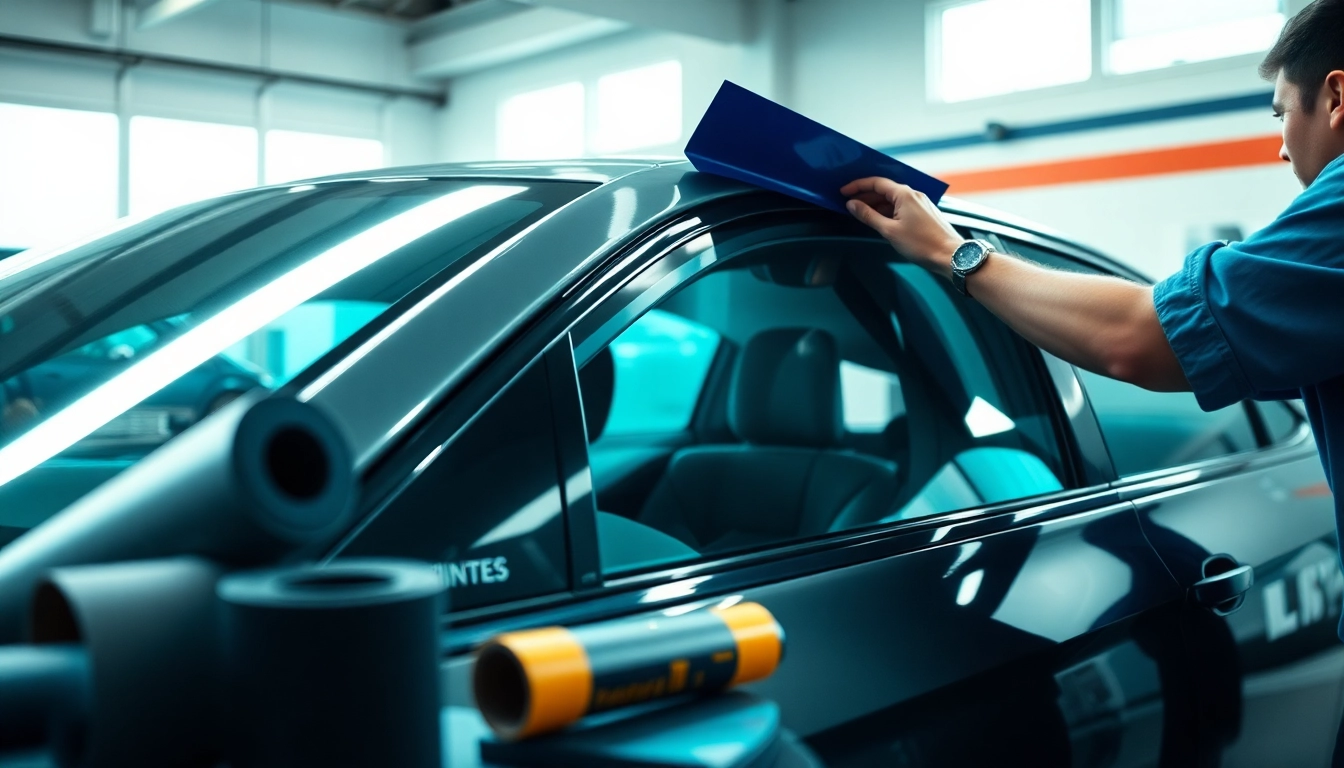
Understanding Window Tint: Benefits and Types
What is Window Tinting?
Window tinting involves applying a thin film to the glass of vehicles, homes, or commercial buildings to reduce the amount of sunlight and heat that enters. This film can significantly enhance the visual appeal of a vehicle while also providing practical benefits. Window tint is available in various shades and materials, offering a range of options for different needs and preferences. It serves not only for aesthetic enhancement but also for energy efficiency and UV protection.
Benefits of Window Tint Near Me
When searching for window tint near me, you'll discover a plethora of benefits associated with window tinting. These include:
- Heat Reduction: Window films can block up to 99% of UV rays and significantly reduce heat inside your vehicle or home, making it more comfortable.
- Enhanced Privacy: Tinted windows provide a level of privacy from outsiders, making it harder for people to see inside.
- UV Protection: Most window films block harmful UV rays that can cause skin damage and fading of interiors.
- Glare Reduction: Tinted windows help reduce glare from sunlight, improving visibility and comfort while driving or working in front of a window.
- Improved Aesthetics: Window films enhance the overall look of your vehicle or property, lending a sleek and polished appearance.
- Safety: In the event of an accident, tinted films can hold shattered glass together, reducing the risk of injury from flying shards.
Types of Window Tint Films
Understanding the types of window tint films can help you make an informed decision. Here are the main types:
- Dyed Window Film: This is the most affordable option and works primarily by absorbing heat. It provides great looks but has limited longevity.
- Metalized Window Film: This film contains metallic particles that reflect heat away, increasing infrared heat rejection. It also strengthens the glass.
- Carbon Window Film: A more premium option that offers great heat resistance while not being reflective. It won't fade over time and provides excellent UV protection.
- Ceramic Window Film: The top-tier choice, providing excellent rejection of heat, UV rays, and glare without interfering with radio or electronic signals.
- Reflective Window Film: Known for its mirror-like appearance, reflective film offers high heat rejection and increased privacy. However, it can be more expensive.
Choosing the Right Window Tint Service
What to Look for in a Window Tint Provider
Finding the right window tint provider can greatly impact the quality of installation and the durability of your tint. Here are key factors to consider:
- Experience: Look for a provider with extensive experience in window tint installation. They should have a proven track record of quality work.
- Reviews and Reputation: Check online reviews and ratings. Customer feedback can provide insights into the service quality and reliability of the provider.
- Product Offerings: A reputable provider should offer a variety of tint films with varying degrees of heat rejection and UV protection.
- Warranty: Ensure the provider offers a warranty for both the film and the installation. This will protect you in case of any issues down the line.
- Certifications: Look for certifications or affiliations with industry organizations, indicating they maintain high standards of service.
Questions to Ask Before Hiring
Before deciding on a window tint service, it’s important to ask specific questions to gauge their suitability:
- What types of window films do you offer, and can I see samples?
- Do you provide a warranty for both the film and the installation?
- How long will the installation process take?
- What is your installation method, and do you use any special tools?
- Can you provide referrals or examples of your previous work?
Comparing Local Services
Once you have a list of potential service providers, compare them based on several criteria:
- Pricing: Obtain quotes from multiple providers, but remember that the cheapest option isn’t always the best. Consider the quality of materials and installation.
- Location: Choose a provider that is conveniently located to reduce travel time and ensure easy access for follow-up service if needed.
- Customer Service: Evaluate how responsive and helpful the staff is; a good provider should prioritize customer satisfaction.
Costs Associated with Window Tinting
Factors Influencing Tint Prices
The cost of window tinting can vary widely based on several factors:
- Type of Film: Premium films generally cost more due to their durability and effectiveness.
- Vehicle Type: Larger or more complex vehicles may incur higher labor costs.
- Local Market Rates: Pricing can fluctuate based on the local market and the demand for tinting services in your area.
- Installation Quality: Professional installers may charge more, but this often results in better durability and aesthetics.
Estimating Your Budget for Tinting
Creating a budget for window tinting involves considering the above factors. On average, residential window tinting can range from $5 to $15 per square foot, while automotive tinting may cost between $100 to $400 for a full vehicle. It's advisable to gather estimates from several providers and plan your budget accordingly.
Hidden Costs to Be Aware Of
Beyond the visible costs, be mindful of hidden expenses such as:
- Removal of Old Tint: If your vehicle or property has existing tint, removal can add to labor costs.
- Cleaning Fees: Some places may charge for cleaning windows before installation, especially if the glass is significantly dirty.
- Additional Services: Costs can add up if you opt for complementary services like paint protection or vinyl wraps.
Installation Process: What to Expect
Preparing Your Vehicle for Tinting
Preparation is key to a successful tint installation. Here are steps to help get ready:
- Clean the Windows: Ensure all windows to be tinted are thoroughly cleaned.
- Remove Any Accessories: Take out anything that obstructs the windows, including sun visors or decorative accessories.
- Choose an Appropriate Location: If you’re doing it yourself, opt for a dust-free environment to minimize contamination during the installation.
Step-by-Step Installation Guide
Here is a general overview of the installation process:
- Measure and cut the film to the appropriate size for each window.
- Spray the window and the adhesive side of the film with a solution to aid application.
- Apply the film to the window, starting from the top and working your way down.
- Smooth out the film to remove any bubbles or imperfections.
- Trim any excess film and let it dry according to the manufacturer's recommendations.
Post-Installation Care Tips
After installation, proper care is essential to maintain the longevity of your tint:
- Avoid rolling down the windows for at least three to five days to allow the tint to cure properly.
- Use a gentle, non-abrasive cleaning solution for cleaning the tinted windows.
- Do not use ammonia-based cleaners, as they can break down the adhesive and film over time.
Maintaining Your Window Tint
Cleaning and Care Instructions
To keep your window tint looking good, adhere to these cleaning guidelines:
- Use microfiber cloths to prevent scratching and damage during cleaning.
- Mix water with mild soap for regular cleaning, ensuring it's safe for tinted windows.
- Schedule professional cleaning if you notice significant grime build-up.
Common Issues and Solutions
Despite their advantages, window tints can develop issues, some of which can be resolved:
- Bubbles: If you see bubbles, it may be due to the application method. Seek professional advice for removal.
- Fading: If the tint fades, it may indicate low-quality film. A replacement with better quality may be necessary.
- Peeled Edges: This can usually be fixed with a reapplication of adhesive or by replacing the film.
When to Consider a Replacement
Occasionally, a tint might need to be replaced. Factors include:
- Significant fading or discoloration indicating the film's lifespan is over.
- Bubbles or tears that affect visibility or aesthetics.
- If the film begins to peel away from the edges, replacement might be the best solution.
Frequently Asked Questions (FAQs)
What is the legal tint limit in my area?
The legal limit for window tint varies by state. Check local regulations for specific guidelines regarding level of tint allowed.
How long does window tint last?
Quality window tint can last between 5 to 15 years, depending on factors like film type and maintenance.
Can I tint my windows myself?
While DIY tinting is possible, professional installation ensures better results and longevity, reducing bubbles and misalignment issues.
What should I do if bubbles appear after installation?
If bubbles form, do not panic. Many will dissipate on their own; if they don’t, consult your installer for proper resolution options.
Is window tinting worth the investment?
Yes, window tinting offers long-term benefits such as energy savings, UV protection, and enhanced privacy that justify the upfront costs.